Uncover the Abundant Past: A Guide to the History Fort Lauderdale Museum Visit
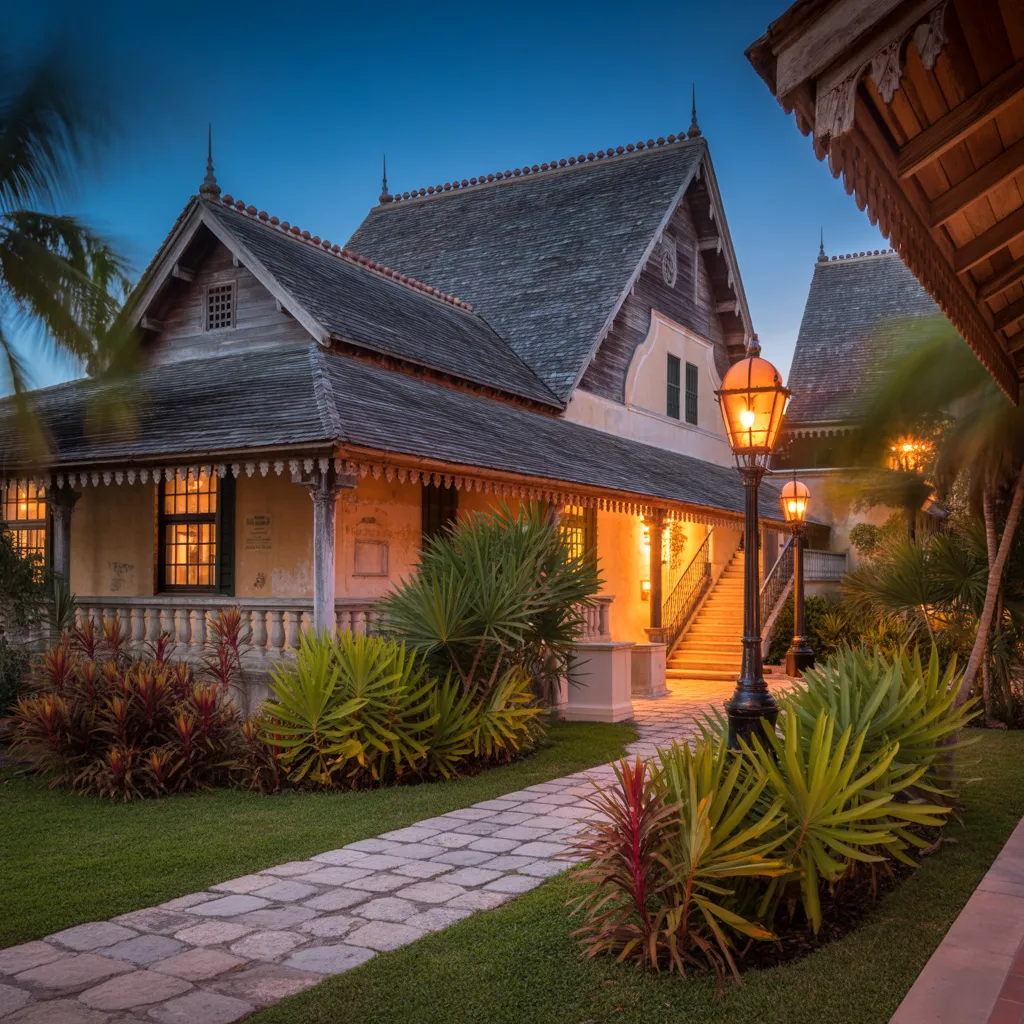
The Fort Lauderdale Museum offers a captivating glimpse into the city's historical past. Guests can discover a range of artifacts that illustrate the evolution from a armed outpost to a thriving society. Each exhibit presents unique narratives of the area's artistic legacy. As guests navigate the museum, they will discover engaging encounters that invite deeper investigation. What awaits within these halls might change one's viewpoint on Fort Lauderdale's extensive history.
The Beginnings of Fort Lauderdale
Though commonly associated with its vibrant beaches and nightlife, Fort Lauderdale's origins are anchored in a calculated military history. Created during the Second Seminole War in the 1830s, the area was initially a series of forts made to guard settlers and soldiers from Native American attacks. These forts, named after Lieutenant Colonel William Lauderdale, formed the groundwork for future development.
The region remained relatively undeveloped until the early 20th century when the coming of the railroad transformed it into a flourishing community. As the population increased, Fort Lauderdale began to evolve, attracting tourists and new residents. The city's strategic position along the Atlantic coast further cemented its significance as a maritime hub. By the mid-1900s, Fort Lauderdale began to achieve prominence as a holiday spot, gradually changing its identity from a military outpost to a lively coastal city. This change signified the beginning of a new era for Fort Lauderdale.
Must-See Showcases to Visit
The Fort Lauderdale Museum displays an enchanting array of key exhibits that illustrate the region's abundant history and culture. Visitors can uncover iconic local artifacts, inspect historical timeline displays, and appreciate cultural heritage exhibitions that depict the area's diverse background. Each exhibit provides a distinct lens through which to understand the evolution of Fort Lauderdale.
Iconic Community Pieces
Visitors to the Fort Lauderdale Museum will find many iconic local artifacts ready for examination, each giving a distinctive peek into the region’s rich history and cultural heritage. Included among the highlights is a compilation of indigenous tools and pottery, highlighting the craftsmanship of the area's earliest inhabitants. Vintage photographs also capture Fort Lauderdale’s transformation from a quiet settlement to a bustling city. Shipwreck relics and fishing gear are among the maritime artifacts that represent the city’s strong link to the water. The exhibited historic documents and personal letters provide insight into the lives of influential individuals who shaped the community. Combined, these artifacts create a vivid tapestry of Fort Lauderdale’s heritage, inviting visitors to explore its rich history.
Historical Timeline Shows|Sequential Historical Displays
At the Fort Lauderdale Museum, historical timeline displays offer an engaging journey through the city's growth. These exhibits thoroughly capture key milestones, demonstrating Fort Lauderdale’s transformation from a small settlement to a flourishing urban hub. Visitors have the chance to explore important events like the creation of the first post office and the expansion of the local economy. The exhibits include detailed panels, pictures, and artifacts that add context and depth to the historical narrative. By connecting past and present, these timelines not only teach but also encourage reflection on the city's rich heritage. Each part allows guests the chance to recognize the varied influences that have formed Fort Lauderdale, making it a noteworthy destination for history enthusiasts and occasional visitors alike.
Cultural Legacy Exhibitions
Cultural heritage displays at the Fort Lauderdale Museum offer a engaging view into the diverse traditions and customs that define the community. These exhibits display artifacts, artworks, and narratives from various cultural backgrounds, conveying the rich tapestry of Fort Lauderdale's history. Visitors can explore installations that highlight the influence of Indigenous peoples, the impact of European settlers, and the contributions of Caribbean and Latin American communities. Interactive displays encourage engagement, making history accessible and relatable. Special events often follow these exhibitions, featuring traditional music, dance performances, and culinary experiences. Through these cultural showcases, the museum promotes a deeper understanding of the area's heritage, promoting appreciation and respect for the myriad cultures that coexist within Fort Lauderdale today.
Dynamic Events Suitable for All Ages
While visiting the Fort Lauderdale Museum, visitors of all ages can participate in a variety of interactive experiences created to ignite wonder and promote education. The museum offers hands-on exhibits that allow visitors to explore the region's history through engaging experiences. For younger guests, there are narrative spaces and interactive displays that encourage creative engagement while educating on local culture.
Young people and adults can appreciate technology-driven installations that employ immersive AR to vivify historical moments. These encounters not only improve understanding but also encourage users to contemplate the past in an relatable way. Moreover, guided tours often incorporate engaging components, where attendees can take part in discussions, inquire, and offer perspectives. This commitment to engagement ensures that every visitor leaves with a greater understanding for Fort Lauderdale's historical heritage, establishing the museum a dynamic educational center for the whole area.
Occasions and Activities that are Special|Special Events and Curricula
The Fort Lauderdale Museum enriches its range of attractions with a rich assortment of special events and programs that address diverse audiences and age categories. Throughout the year, the museum coordinates specialized exhibits, educational workshops, and talks introducing renowned historians and experts. These events encourage audience involvement and strengthen a more profound grasp of the local area's history.
Young visitors are enthralled by family-friendly activities like storytelling sessions and creative craft sessions that furnish interactive learning opportunities. Heritage festivals and other seasonal festivities permit participants to sample local culture through music, dance, and History Fort Lauderdale FL traditional cuisine.
Additionally, the museum organizes special curated visits and after-hours events for those looking for a unique perspective on the exhibits. These programs not only enhance the museum visit but also reinforce connections within the community, making the Fort Lauderdale Museum a vibrant hub for cultural development and historical exploration.
Arranging Your Visit
When planning a visit to the Fort Lauderdale Museum, visitors should consider several important factors to ensure an pleasant visit. First, verifying the museum's opening times is crucial, as they may vary throughout the week and during holidays. It is recommended to purchase tickets in advance, especially for special events or guided tours that may have restricted availability.
Guests should also acquaint themselves with the museum's layout and exhibits, which can improve their visit by providing efficient navigation. Packing important items such as water, comfortable footwear, and sun protection is recommended, especially for those visiting outdoor areas.
Furthermore, guests may wish to examine any ongoing programs or workshops that align with their interests, guaranteeing they don't miss unique opportunities. In conclusion, evaluating parking options or public transport can simplify the arrival process, creating a smooth start to the museum adventure.
Nearby Destinations to Enrich Your Experience
Patrons of the Fort Lauderdale Museum can enrich their experience by investigating nearby destinations. The Historic Stranahan House presents a window into the city's background, while the Riverwalk Arts & Entertainment district showcases vibrant artistic activities. Moreover, the Bonnet House Museum presents exquisite architecture and lavish gardens, making it an ideal pairing to a day filled of art and history.
Historic Stranahan House
Located a short way from the dynamic Fort Lauderdale Museum Experience, the Historic Stranahan House presents a peek into the area's rich history. As the oldest surviving structure in Broward County, this house, built in 1901, was the home of Frank and Ivy Stranahan, early pioneers who played key roles in the community's development. Visitors can tour the elegantly preserved rooms, which showcase original furnishings and artifacts that illustrate life in the early 20th century. Conducted tours offer fascinating insights into the Stranahans' contributions to Fort Lauderdale's growth. The beautiful surroundings along the New River enhance the experience, making it a perfect complement to the nearby museum, enriching one's understanding of Fort Lauderdale's historical narrative.
Riverwalk Arts & Entertainment provides artistic activities
How can one fully appreciate the vibrant culture of Fort Lauderdale without exploring the Riverwalk Arts & Entertainment district? This dynamic area presents a wide array of artistic expressions, including galleries with local artists and venues for live music and theater. Visitors can stroll along the beautiful waterfront, enjoying the stunning sights and taking part in outdoor events that highlight the city's vibrant creative scene. The Riverwalk provides dining options that highlight the rich gastronomy of the region. The presence of cultural institutions like the Broward Center for the Performing Arts and the Museum of Discovery and Science nearby makes the Riverwalk an prime center for those eager to explore fully Fort Lauderdale's vibrant entertainment and artistic experiences.
Bonnet House Museum functions as an important cultural site displaying wonderful architecture and artistic treasures.
The Riverwalk Arts & Entertainment district operates as an exceptional launching pad for uncovering the extensive cultural offerings of Fort Lauderdale, and just a stone's throw away rests the Bonnet House Museum. This storied estate, nestled on a verdant, tropical beachfront, portrays the artistry and spirit of its founding owners, Frederic and Evelyn Bartlett. Visitors can explore the meticulously maintained home and its varied art collection, which reflects a combination of European and Caribbean influences. The surrounding gardens, featuring native flora and a variety of wildlife, provide a serene sanctuary into nature. Informative tours offer knowledge into the estate's architectural heritage and past, rendering it a ideal complement to the vibrant cultural scene in Fort Lauderdale.
Regular Inquiries
What Are the Museum's Hours of Operation?
The museum operates from 10 AM to 5 PM, Tuesday through Saturday, and is shut down on Sundays and Mondays. These hours provide ample opportunity for visitors to explore the displays and learn about the local history.
Does the Museum Require an Admission Fee?
The museum charges an entrance charge for guests. This fee contributes to the upkeep and running of the institution, funding educational programs and preserving the displays that highlight the cultural heritage of the area.
Can visitors join guided tours?
Yes, organized tours are available for visitors. These tours provide an comprehensive examination of the museum's exhibits and history, improving the overall experience by providing insights that independent exploration may not deliver.
May I bring refreshments inside the Museum?
Visitors are typically not allowed to carry refreshments into the museum. It is advisable to review specific museum policies for any exceptions or designated areas where beverages and snacks could be permitted during their time at the museum.
Is the Museum designed to accommodate those requiring wheelchair access?
The museum accommodates mobility device users, containing ramps, specific parking, and elevators. Staff members are ready to offer help with any supplementary needs, providing a satisfying and embracing experience for all visitors.